The unmistakable sound of urethane wheels on concrete, the clack of a well-landed trick, and the stoke of a new skate park opening—all signs that skateboarding is alive and well in our community. With the recent opening of a park near my house, I’ve had the chance to watch skaters of all ages drop in, carve, and session the ramps from dawn till dusk. It’s inspiring to see everyone from groms (young skaters) to seasoned rippers in their 50s and beyond sharing the same energy and excitement for skating.
But as any skater knows, the thrill of landing a new trick comes with the risk of taking a slam. Skateboarding is a high-speed, high-impact sport, and the environment—concrete, metal rails, and ledges—is unforgiving. As a sports medicine physician, I see firsthand the kinds of injuries that can happen when things go sideways.
Common Skateboarding Injuries: From FOOSH to Knee Wrecks
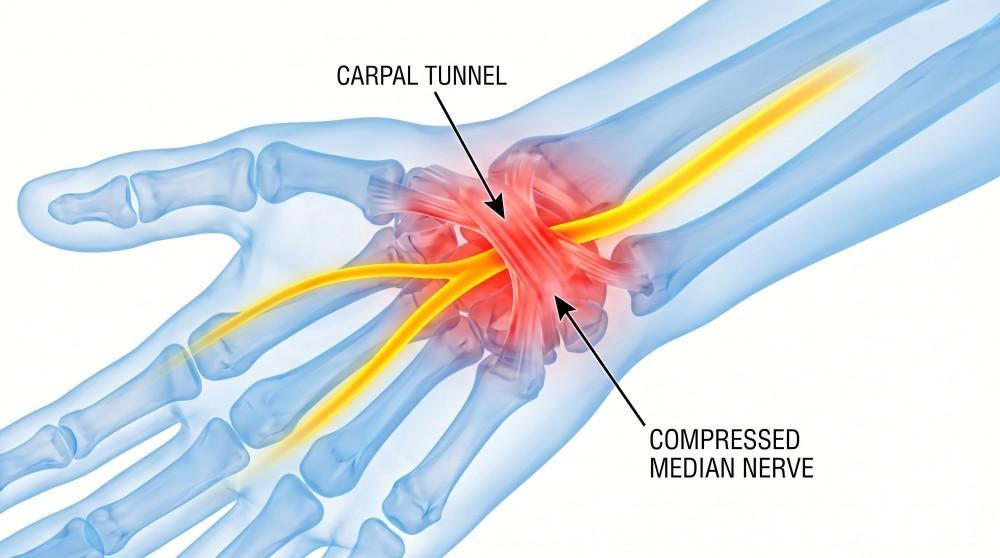
One of the most common injuries I see is the classic FOOSH (Fall On Outstretched Hand). Just last week, a skater came in after bailing on a trick and catching himself with his hands. The result? A distal radius fracture—a break near the wrist that’s all too familiar in the skateboarding world. Injuries like this can sideline a skater for weeks or months, a reminder of how quickly a session can go from stoked to smoked.
Upper-extremity injuries are par for the course in skateboarding. Wrists, elbows, and shoulders take a beating, especially when a skater instinctively tries to break a fall. Thumb injuries are also common, particularly from awkward landings or grabbing the board mid-air. I recently saw a skater in his 50s who, despite a prior thumb injury and even a knee replacement, was still out there grinding and ollieing with the best of them. His resilience is impressive—but also a testament to the long-term wear and tear that skating can put on the body.
Lower-extremity injuries are just as prevalent. Ankles are especially vulnerable—rolling an ankle on a bad landing or missed trick is almost a rite of passage. Sprains, strains, and even fractures of the foot, ankle, and knee are common. Chronic knee issues, including meniscus tears and ligament injuries, can be exacerbated by years of skating. Some skaters keep rolling even after a knee replacement, proving that the love of skating doesn’t fade with age.
The Benefits: More Than Just Tricks
Despite the risks, the benefits of skateboarding are huge. Skating builds strength, balance, and coordination. It gets people outside, away from screens, and moving in ways that are both challenging and fun. The social aspect is equally important—skateboarding brings people together, creating a community where everyone pushes each other to progress and have fun.
Watching skaters of all ages at the new park, it’s clear that skateboarding is more than a sport—it’s a lifestyle. The camaraderie, creativity, and pure joy of landing a trick or just cruising with friends are hard to match.
Injury Prevention: Shred Smart
While you can’t eliminate all risk, there are ways to stack the odds in your favor:
-
Pad Up: Wrist guards, knee pads, elbow pads, and a helmet can make a huge difference, especially for beginners or those returning after an injury.
-
Warm Up: Take a few laps, stretch out, and get your muscles ready before going for big tricks.
-
Know Your Limits: Progression is key, but pushing too hard too fast is a recipe for slams. Build your skills and confidence gradually.
-
Check Your Gear: Make sure your board, trucks, and wheels are in good shape. Loose hardware or worn grip tape can lead to unexpected bails.
-
Learn How to Fall: Practice rolling out of a fall or sliding on pads to reduce the impact on your wrists and arms.
Skateboarding will always carry some risk, but with the right approach, you can keep rolling, progressing, and enjoying the ride—no matter your age.
Whether you're an avid skateboarded or tried your luck for the first time and got injured, give our clinic, Sports Health Northwest, a call at 503-747-6376.
Author
 David Westerdahl MD FAAFP RMSK
Sports Medicine Physician and owner Sports Health Northwest, Inc.
David Westerdahl MD FAAFP RMSK
Sports Medicine Physician and owner Sports Health Northwest, Inc.